
Walk into any hardware store on Main Street, and it’s easy to feel like you need everything on the shelf. Rows of shiny lawn equipment promise cleaner cuts, greener grass, and less effort, but most homeowners end up overspending on tools they rarely use.
If you’ve ever bought something that seemed essential but now collects dust in your shed, you’re not alone. Across online communities and real homeowner discussions, one theme keeps popping up: confusion. Too many options, too much marketing, and not enough straight answers.
This lawn equipment guide cuts through the noise. No gimmicks, no upsells, just what actually works for everyday homeowners who want a great-looking lawn without wasting money.
Why Most Homeowners Overspend on Lawn Tools
The biggest mistake isn’t buying cheap tools; it’s buying unnecessary ones.
Marketing often pushes “complete lawn systems,” making it seem like you need a specialized tool for every tiny task. But in reality, most residential yards can be maintained with a small, practical set of equipment.
Another issue is overestimating usage. That heavy-duty aerator or premium dethatcher might sound useful, but if you only use it once a year (or never), it’s not worth owning.
A better approach is simple:
Buy tools based on how often you’ll use them, not how impressive they sound.
The Core Lawn Tools That Actually Matter
Let’s start with the essential landscaping tools. These are the tools that deliver the biggest impact and get used regularly.
1. A Reliable Lawn Mower
A lawnmower is the most essential tool for any garden, which you should never compromise on. It is the actual way that directly affects how your lawn looks and how much time you spend maintaining it. Choosing the correct lawn mower types totally depends on your yard area and terrain, such as the following:
- Push mowers work great for small, flat lawns
- Self-propelled mowers reduce effort on medium-sized yards
- Riding mowers make sense only for large properties
Usually, if your yard is for a suburban neighborhood, a good self-propelled mower is mostly the sweet spot. It is easy to use and strikes a good balance between cost and efficiency.
2. String Trimmer (Weed Eater)
No mower can handle edges, tight corners, or areas around fences. That’s where a string trimmer becomes essential.
A trimmer helps you to keep your lawn clean and finished-looking, typically along sidewalks, driveways, and garden beds.
Corded, battery-powered, and gas options all exist. For most homeowners, battery-powered models are the easiest to manage with minimal maintenance.
What to avoid: Overpowered gas trimmers unless you have heavy brush or large areas. They’re often more hassle than they’re worth.
3. Leaf Blower
Some people think this is optional until they use one.
A leaf blower doesn’t just clear leaves. It also handles grass clippings, dust, and debris quickly. What would take 20 minutes with a rake can take 5 minutes with a blower.
For smaller properties, a compact electric or battery blower is more than enough.
Budget tip: Skip high-end commercial models.
Reality check: You’ll use this more than you expect
4. Basic Hand Tools
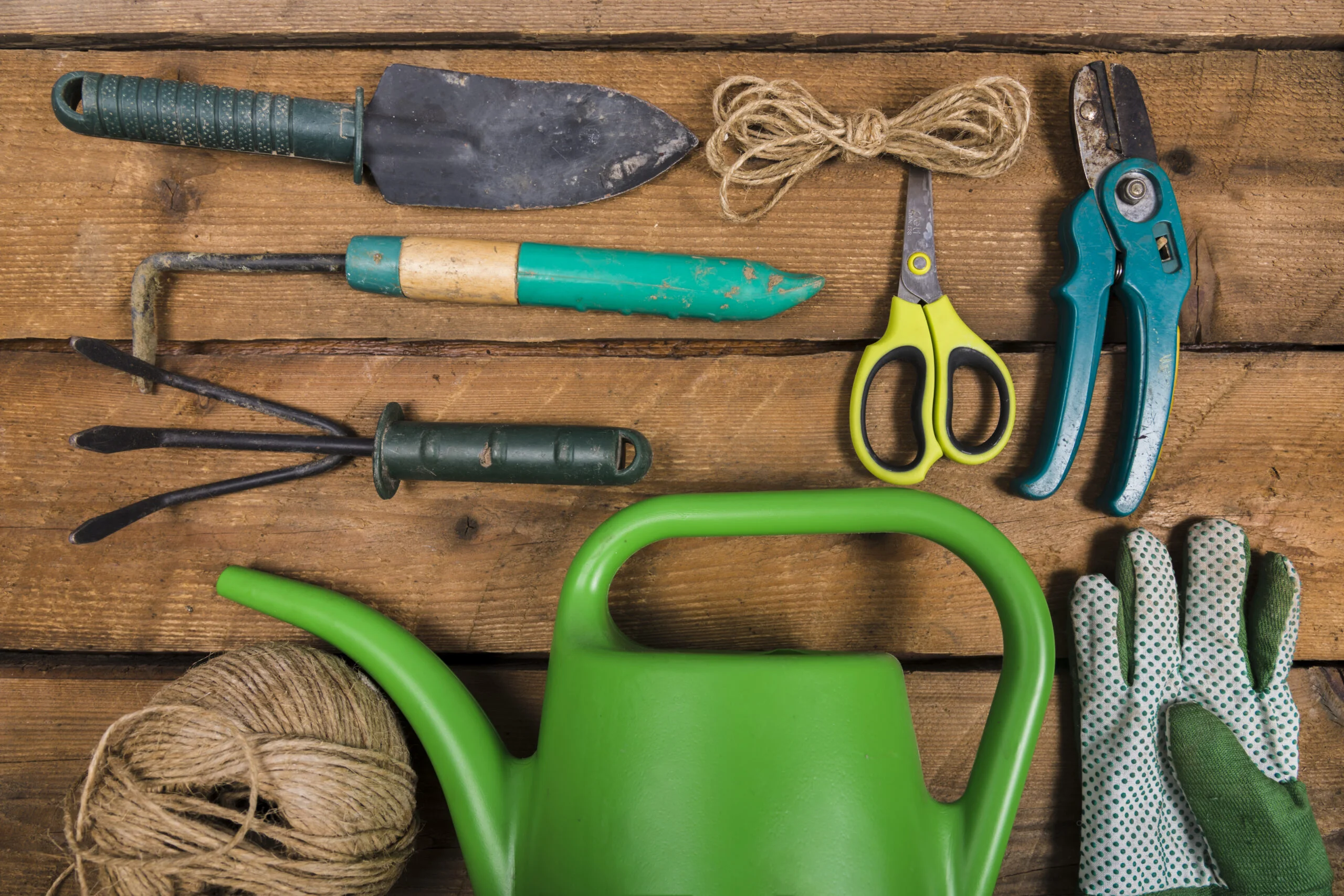
Not everything needs power. A few manual tools go a long way for your lawn care, such as a sturdy rake, hand pruners, and a shovel.
However, these basic caring tools for the lawn are pocket-friendly, long-term in usage, and also essential for cleanup, planting, and minor yard work.
Tools That Sound Useful (But Often Aren’t)
Here’s where most homeowners waste money.
1. Dethatchers
Dethatching sounds like a must-do task, but many lawns don’t need it regularly. Renting one when necessary is usually the smarter move.
2. Lawn Aerators
Aeration is important, but not frequent enough to justify buying expensive equipment for most homeowners.
Instead of owning one, consider renting or hiring a service when needed.
3. Edgers (Separate from Trimmers)
A dedicated edger creates sharp lines, but a string trimmer can do nearly the same job with a bit of practice.
Unless you’re very particular about perfectly defined edges, this tool is often redundant.
4. Pressure Washers (for Lawn Care Alone)
Pressure washers are great for driveways and siding, but if your main goal is lawn care, this shouldn’t be a priority purchase.
Quick Lawn Tools Overview: What to Buy vs Skip
Instead of guessing what you need, here’s a simple breakdown of a lawn tool buying guide: which tools are actually worth owning and which ones you’re better off renting once in a while.
| Tool | Primary Use | Worth Buying? |
| Lawn mower | Weekly cutting, lawn height control | Essential |
| String trimmer | Edges, tight spots, finishing work | Essential |
| Leaf blower | Clearing clippings, leaves, debris | Essential |
| Fertiliser spreader | Even application of lawn feed | Essential (if you fertilize) |
| Spring-tine rake | Light dethatching, debris removal | Essential |
| Half-moon edger | Sharp, defined lawn edges | Optional (trimmer can replace) |
| Garden fork | Small-scale aeration, soil checks | Useful |
| Daisy grubber | Removing individual weeds | Nice to have |
| Hollow-tine aerator | Deep soil aeration | Hire instead of buying |
| Powered scarifier | Heavy dethatching | Hire when needed |
Budget vs Premium: Where It Actually Matters
Not every tool deserves a premium price tag. Here’s a smarter way to allocate your budget:
Spend More On:
- Lawn mower
- String trimmer (if used frequently)
These tools directly affect your results and efficiency.
Save On:
- Leaf blower
- Hand tools
You don’t need top-tier versions for these to work well.
The “One Yard Reality” Rule
Before buying anything, ask yourself one question:
Will I use this at least 10–15 times a year?
If the answer is no, don’t buy it.
This simple filter eliminates most unnecessary purchases and keeps your setup practical.
Real-Life Scenario: What Actually Works
Imagine a typical homeowner preparing for the season. They start with good intentions and walk into a store planning to “upgrade everything.” They leave with a dethatcher, an aerator attachment, a premium edger, and multiple accessories.
A few months later, the mower gets used weekly, the trimmer gets used regularly, and the blower becomes a favorite, while everything else sits untouched. This pattern is incredibly common and avoidable.
A Smarter Lawn Setup (Simple & Effective)
If you want a clean, well-maintained yard without overspending, your setup can be surprisingly minimal. Start by making a list of landscaping tools that are actually necessary for your lawn.
A dependable mower, a quality string trimmer, a lightweight leaf blower, and a set of basic hand tools are usually enough. That’s it. Everything else should be added only when a real need appears, not just because it looks useful in a store.
Why Simplicity Wins Every Time
A cluttered tool shed doesn’t mean a better lawn. In fact, the more tools you own, the more maintenance, storage, and decision-making you add to your routine.
Simple setups save money, reduce maintenance, and make yard work faster and easier. Most importantly, they actually get used.
Final Thoughts
The lawn care industry thrives on convincing homeowners they need more than they do.
But the truth is simple:
A great lawn doesn’t come from having every tool; it comes from using the right ones consistently. Focus on the essentials. Skip the hype. Purchase tools based on your real usage, not marketing purposes; it can be costly and a waste of money for you.
All the above adopted practical approaches were followed by Leading Edge Landscape & Design. They focus on results over unnecessary equipment. Once you do that, maintaining your yard becomes less about effort and more about control.
